(
)
MENSTRA COLLECTIVE
ERADICATING PERIOD POVERTY AND MENSTRUAL POLLUTION
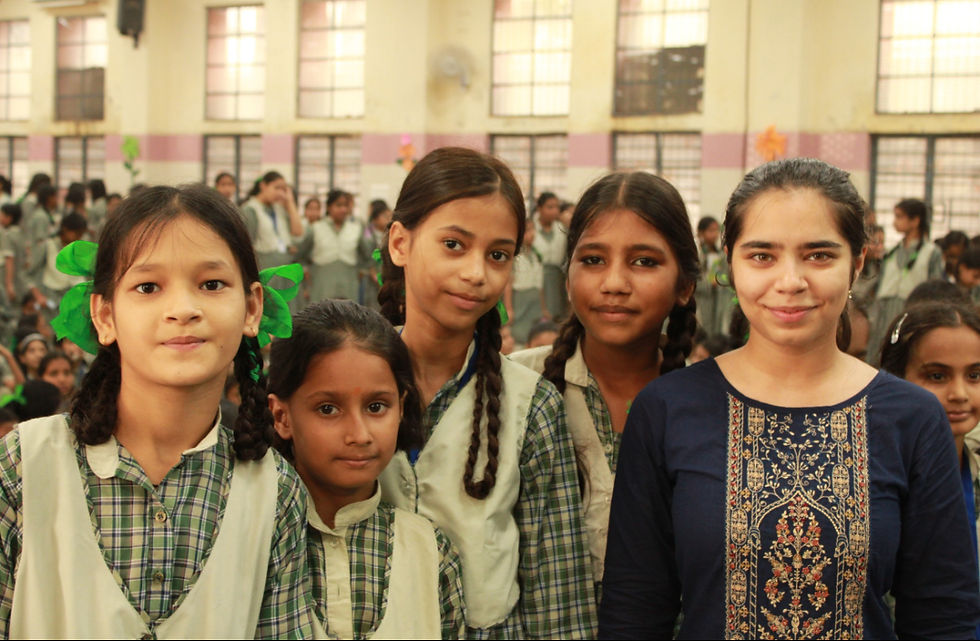
Access without sustainability creates waste.
Sustainability without access creates exclusion.
Menstra works at the intersection of access and sustainability to create menstrual solutions that are equitable and environmentally responsible.

Global Crisis Impact
The Reality in Numbers
500M
1.1B
113K
Lack Adequate Access
In Acute Poverty
Tonnes of Waste
Sanitation and hygiene gaps directly impact women's ability to work and attend school across the globe.
People worldwide lack essential access to menstrual products, education, and sanitation facilities.
Annual menstrual garbage generated in India alone, driven by non-biodegradable sanitation disposal.
500-800 Years
88%
To Decompose
Want Alternatives
Standard sanitary pads contain 90% plastic, taking centuries to break down in landfills and oceans.
The overwhelming majority of users are seeking eco-friendly alternatives to traditional plastic products.
About
ABOUT MENSTRA
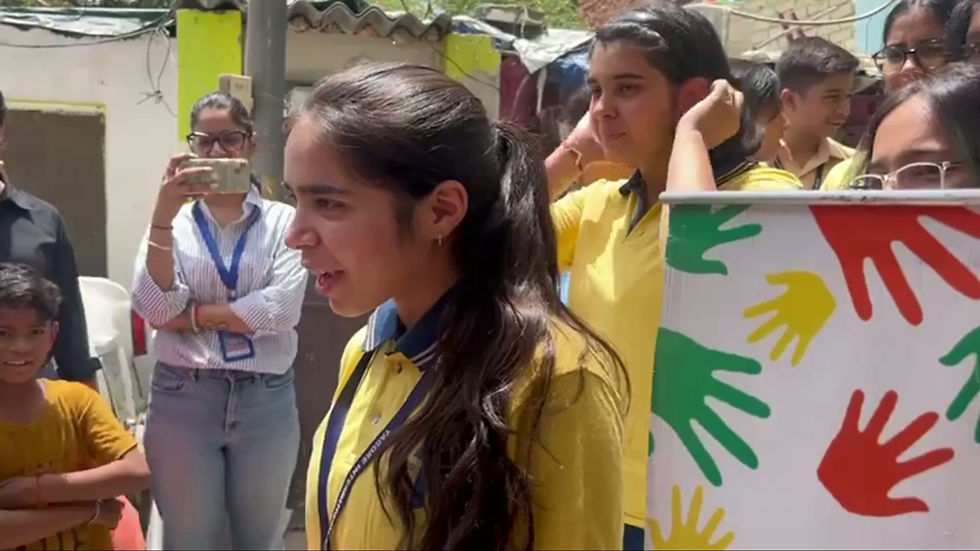
Menstra addresses two interconnected crises: period poverty and menstrual pollution. Around the world, limited access to safe menstrual products affects school attendance, workforce participation and long-term representation of women and girls in education, STEM and leadership. Repeated absenteeism during menstruation contributes to higher dropout rates, particularly across the Global South, shaping who gets access to opportunity and who does not.
At the same time, the environmental cost of conventional menstrual products continues to grow. An estimated 12 billion disposable pads are discarded each year, most containing plastic that does not biodegrade. These products accumulate in landfills, release microplastics into soil and waterways and can leach toxic chemicals such as dioxins. Sanitary waste is among the most common debris found on beaches, and when flushed or littered, it enters marine ecosystems and threatens wildlife.
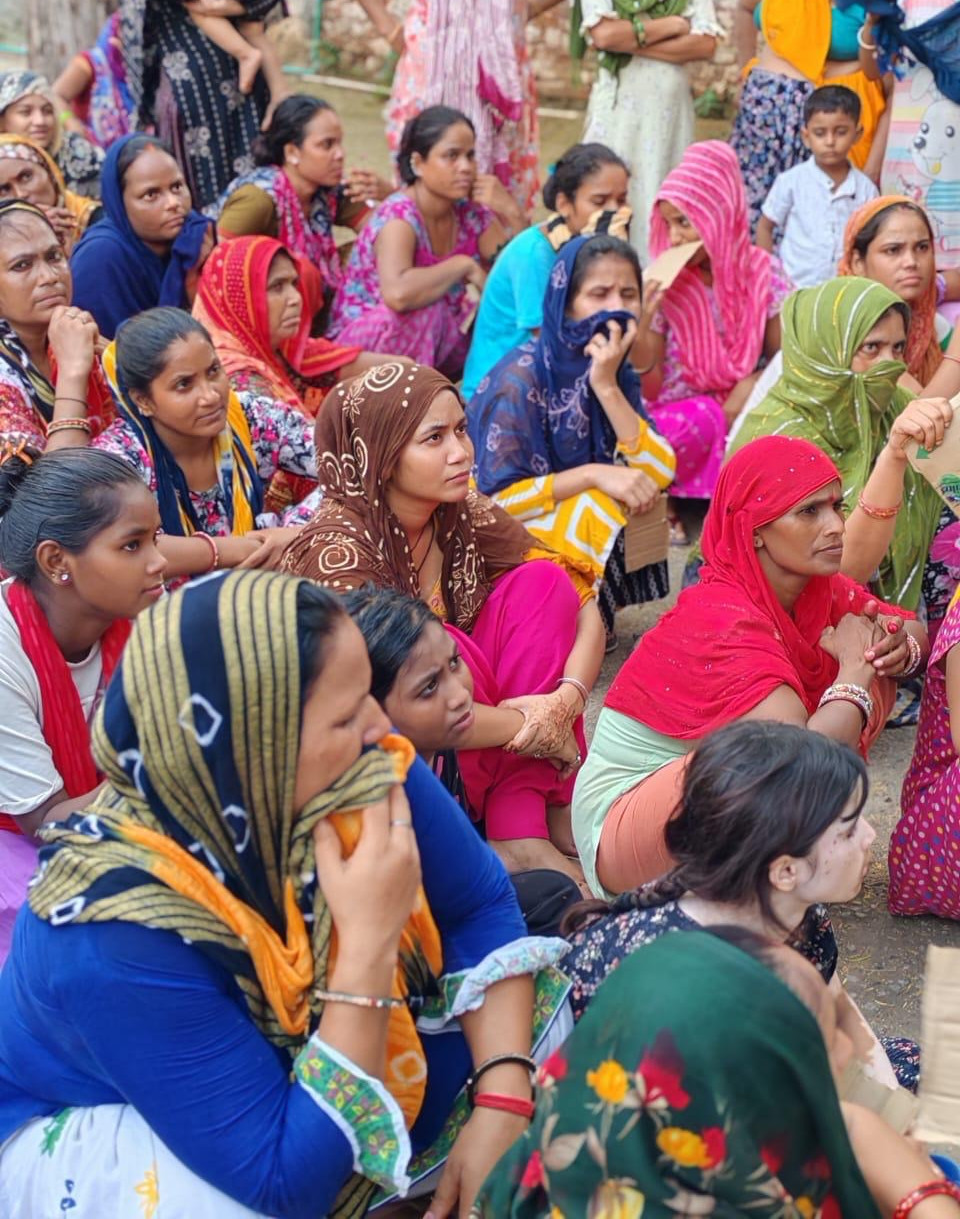
The consequences are also medical. Without safe products and adequate sanitation, individuals face increased risks of reproductive tract infections and other long-term health complications. Menstrual equity is therefore not only a matter of dignity but of public health and economic participation. We also aim to educate the communities about Polycystic Ovarian Disease, Endometriosis Menarche and Menopause.
Menstra exists because expanding access without rethinking materials increases environmental harm, and focusing only on sustainability ignores structural inequality. We work to advance menstrual equity while reducing ecological damage, integrating biodegradable solutions, responsible waste systems and long-term climate-conscious approaches into menstrual care.
OUR APPROACH
Bamboo and Banana Fiber
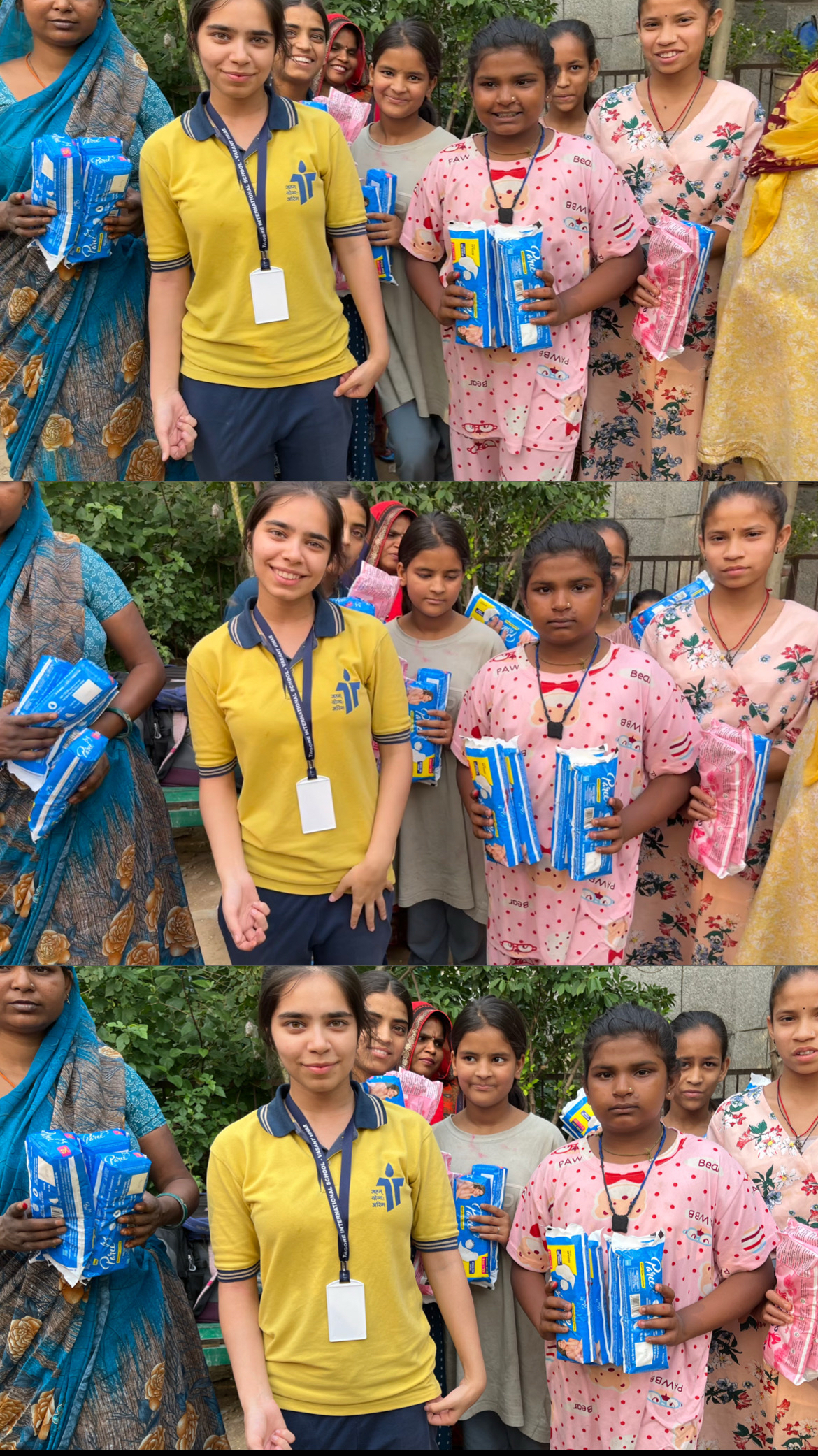
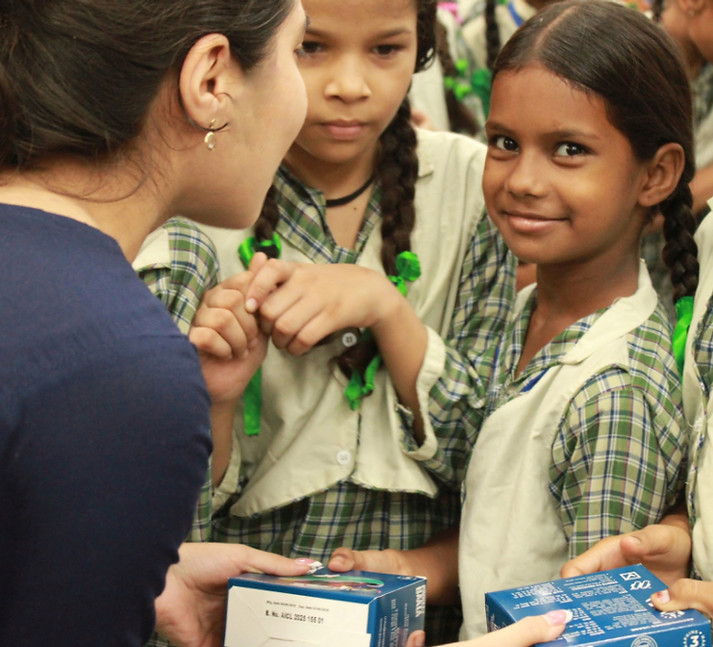
First, we promote and distribute biodegradable menstrual products made from materials such as bamboo fiber and banana fiber, alongside cloth-based reusable alternatives.
These reduce plastic dependency and lower the long-term environmental footprint of menstrual care.

solar based high-efficiency menstrual waste segregation and disposal systems
Second, we are researching and advocating for high-efficiency menstrual waste segregation and disposal systems. Millions of non-biodegradable pads are already in circulation. Responsible waste management infrastructure is essential. Controlled waste segregation systems can significantly reduce toxic residue and prevent unsafe disposal in landfills or open environments. Our goal is to see these systems integrated into public and private facilities.
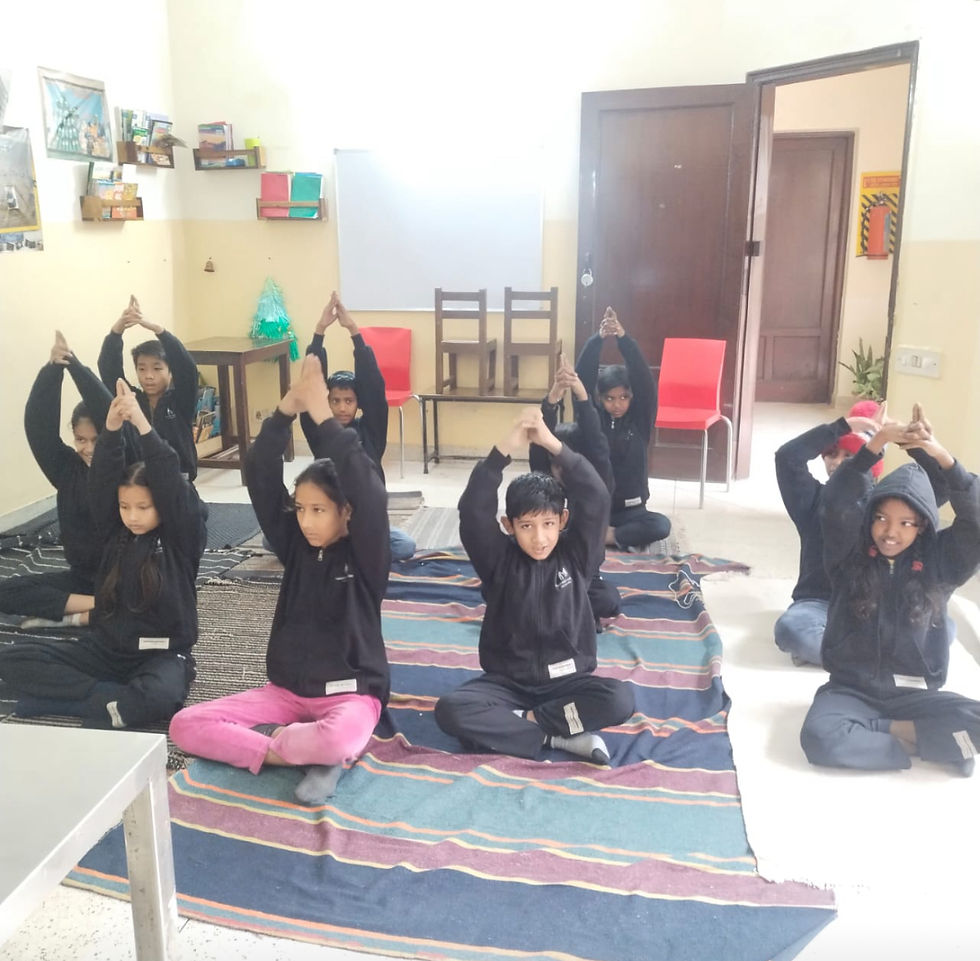
Education & Advocacy
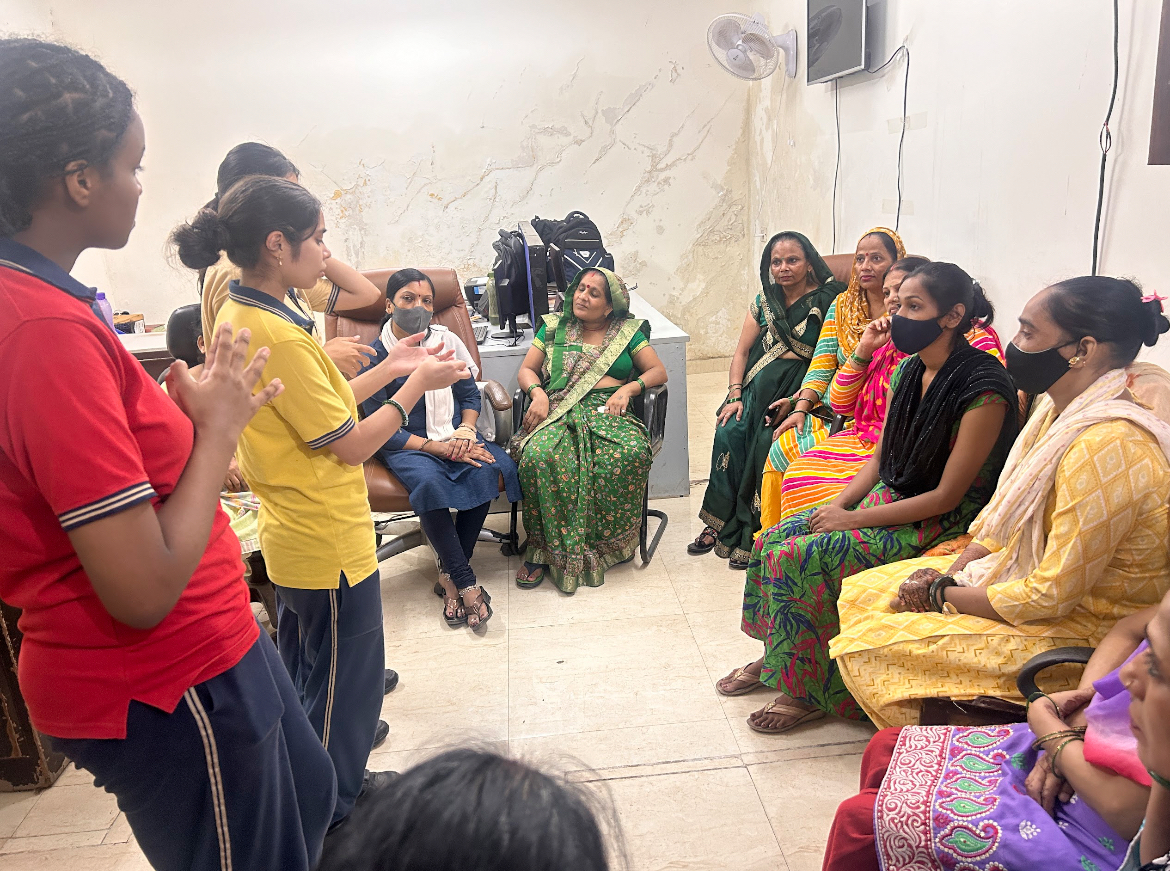
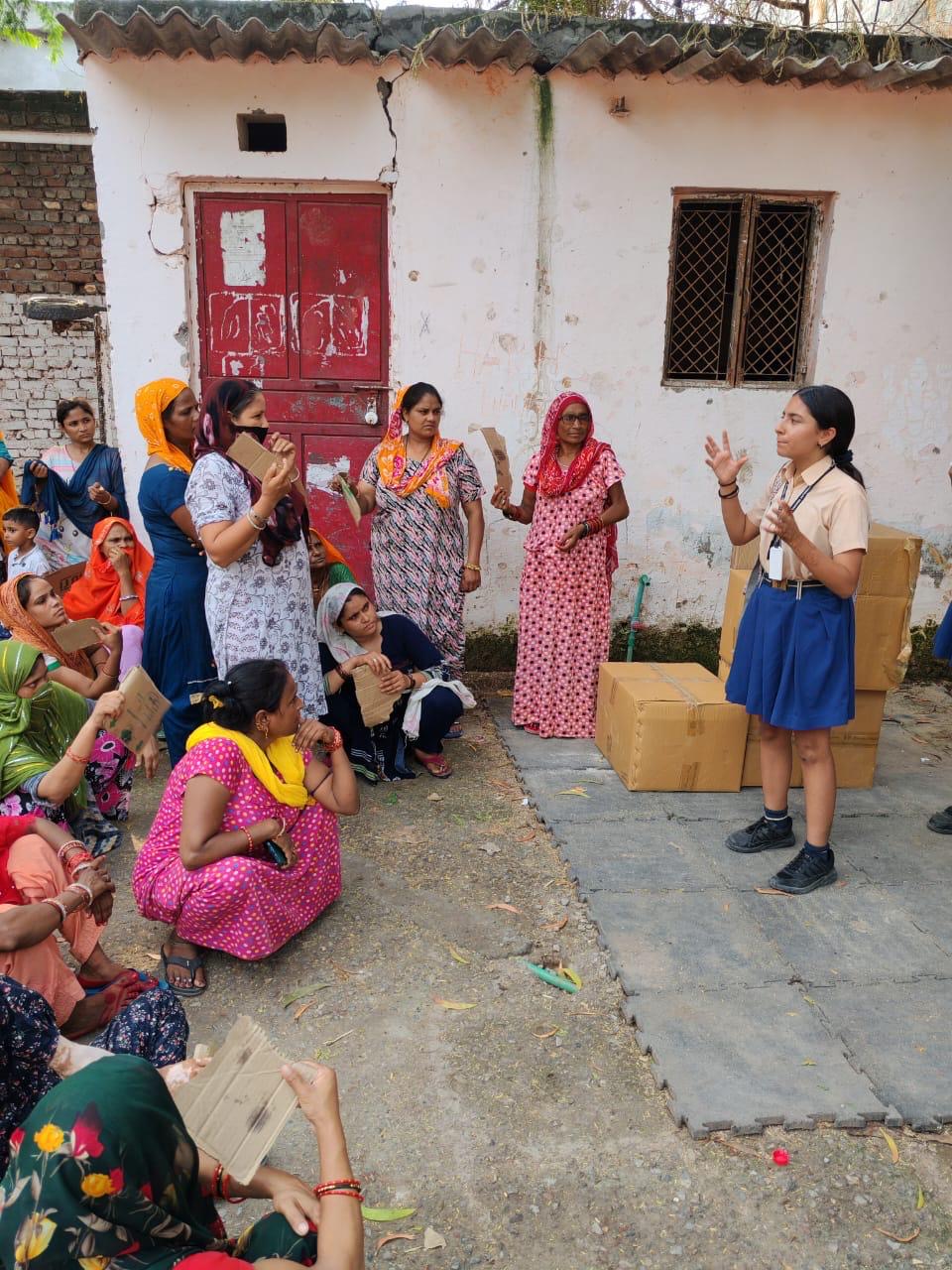
Third, we conduct education and systems-level engagement that connects menstrual equity with climate conversations. We also undertake yoga classes. We frame menstrual health as a public systems issue involving education, environment, public health and gender representation.
Our Vision
We envision a future where no one misses school or work because of menstruation, and where menstrual care does not contribute to environmental degradation.
Menstrual equity and climate responsibility are not separate agendas. They are part of the same structural conversation.
Menstra exists to hold both together.